Tech
What is seo and how it works with examples
SEO (Search Engine Optimization) is the process of improving your website so that it can appear higher in search engine results when people search for topics related to your content, products, or services. Whether someone is using Google, Bing, or even YouTube, SEO helps your website become more visible to potential visitors. The goal of SEO isn't just to bring more traffic to your website—it's to attract the right people who are genuinely interested in what you offer. By creating valuable content, optimizing your pages, and improving your website's overall performance, you can increase your chances of ranking higher in search results. Simply put, SEO helps search engines understand your website better, making it easier for users to find your content naturally without relying on paid advertisements. Over time, effective SEO can drive consistent, long-term traffic and help grow your online presence.
June 6, 2026 - 4 min read - Admin
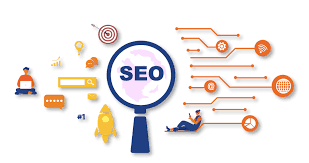
How SEO Works: A Beginner-Friendly Guide
If you've ever wondered how Google decides which websites appear at the top of search results, you're not alone. Search Engine Optimization (SEO) is the process of helping search engines understand your website so they can show it to the right people at the right time.
Think of search engines as giant digital libraries. Instead of storing books, they store billions of web pages. Whenever someone searches for information, Google scans its database and displays the most relevant results within seconds.
SEO helps your website become one of those top results by showing search engines that your content is valuable, trustworthy, and relevant to what users are searching for.
How Search Engines Work
Search engines use three main steps to find, understand, and rank websites.
1. Crawling
The first step is crawling. Search engines send automated bots, often called crawlers or spiders, across the internet. These bots visit websites, follow links, and discover new or updated pages.
If your website is properly structured, search engines can easily find and crawl your content.
2. Indexing
Once a page is discovered, search engines analyze its content and store it in a massive database known as the index.
During indexing, Google tries to understand:
- What the page is about
- Which keywords it targets
- How useful the content is
- How fast the page loads
- Whether it works well on mobile devices
If a page isn't indexed, it won't appear in search results.
3. Ranking
When someone enters a search query, Google's algorithm evaluates hundreds of ranking signals to determine which pages provide the best answer.
Some important ranking factors include:
- Keyword relevance
- Content quality
- Website speed
- Mobile-friendliness
- User experience
- Backlinks from trusted websites
- Website authority
The pages that best satisfy the user's search intent typically rank higher.
The Three Core Pillars of SEO
Successful SEO strategies are built on three important pillars.
On-Page SEO (Content Optimization)
On-page SEO focuses on creating helpful content that answers users' questions.
This includes:
- Keyword research
- Optimizing titles and headings
- Writing high-quality content
- Using internal links
- Improving readability
- Optimizing images
The goal is simple: create content that provides the best possible answer to the searcher's question.
Off-Page SEO (Building Authority)
Off-page SEO helps build trust and authority for your website.
One of the most important factors is backlinks. A backlink is a link from another website pointing to your content.
When reputable websites link to your pages, search engines treat those links as votes of confidence.
The more high-quality backlinks you earn, the more authority your site can gain.
Technical SEO (Website Health)
Technical SEO ensures that search engines can easily access and understand your website.
Key technical SEO factors include:
- Fast loading speed
- Mobile responsiveness
- Secure HTTPS connection
- Proper site structure
- XML sitemaps
- Clean URLs
- Fixing broken links
A technically optimized website creates a better experience for both users and search engines.
Why SEO Matters
Most users never go beyond the first page of Google results. That's why ranking higher can make a huge difference.
SEO helps businesses:
- Increase organic traffic
- Generate leads and sales
- Build brand awareness
- Improve website credibility
- Reduce advertising costs
Unlike paid ads, SEO can continue driving traffic for months or even years after content is published.
Recommended YouTube Videos to Learn SEO
If you're serious about learning SEO, these free YouTube tutorials are excellent starting points:
- Ahrefs SEO Course
- Ahrefs Keyword Research Tutorial
- Semrush SEO Tutorial
- Neil Patel SEO Training
- Income School SEO Tips
Related Guides
- How to Make Money with AI as a Beginner
- High Income Skills to Learn in 2026
- AI Coding Tools to Build Websites and Make Money
- How to Build a Faceless YouTube Channel
- Top AI Tools That Can Double Your Productivity
Final Thoughts
SEO is not about tricking search engines. It's about creating valuable content, improving website quality, and providing the best possible experience for users.
When you combine great content, strong backlinks, and solid technical SEO, your chances of ranking higher in search results increase significantly. While SEO takes time, it remains one of the most effective ways to generate long-term organic traffic and grow your online presence.